Closing the Nutrition Gap: Why Hospitality is the Key to Post-Discharge Recovery
- Kenneth Grayer

- Feb 24
- 6 min read
Too many clients leave the hospital with a discharge plan that overlooks one critical element, what happens when they get home and need to eat.
Clinical teams work tirelessly to stabilize health conditions, coordinate medications, and arrange follow-up appointments. But somewhere between the hospital bed and the kitchen table, nutrition falls through the cracks. And that gap? It's costing us more than we realize.
The Numbers Tell a Sobering Story
Here's what research reveals about the transition from hospital to home:
76% of clients experience gaps in nutritional care during post-discharge transitions
Nearly one-third develop malnutrition even when their nutritional status was adequate upon admission
Only 42% receive any nutrition recommendations at discharge, and just 65% of those actually follow them
A mere 11% consult with a dietitian after leaving the hospital
Clients relying on oral diets consume between 55-75% of prescribed calories and 27-74% of prescribed protein

These aren't just statistics. They're real people, someone's parent, partner, or neighbor, returning home nutritionally compromised, without the support structure they need to truly recover.
Why Does This Gap Exist?
The answer isn't simple, but it boils down to a fundamental disconnect between clinical care and daily living.
Hospitals excel at acute medical intervention. Discharge planners coordinate home health services, medication management, and specialist appointments. But who's making sure your recently discharged loved one can actually prepare, or even eat, the nutrient-dense meals their body desperately needs?
The missing link isn't medical. It's hospitality.
Traditional post-discharge support stops at the clinical threshold. Home health aides provide essential medical monitoring. Physical therapists guide rehabilitation. But when it comes to the daily, tangible act of nourishing the body, meal planning, grocery shopping, cooking with dietary modifications, and creating an environment where eating feels possible, clients and families are largely on their own.
Add to this the reality that many clients face:
Physical limitations that make cooking difficult or impossible
Cognitive challenges that complicate meal preparation
Medication side effects that suppress appetite or alter taste
Dietary restrictions that seem overwhelming without guidance
Fatigue that makes even simple tasks feel insurmountable
The result? Well-intentioned discharge plans that fail at the kitchen table.
What Happens in the Gap
The consequences of inadequate Post-Discharge Nutrition Support are both immediate and cascading:
In the short term:
Inadequate caloric intake leads to weakness and fatigue
Protein deficiency impairs wound healing and immune function
Dehydration becomes a silent but serious risk
Medication effectiveness may be compromised without proper nutrition
Over time:
Increased risk of hospital readmission (often within 30 days)
Muscle wasting that undermines rehabilitation efforts
Slower recovery from surgery or illness
Diminished quality of life and independence
Growing caregiver burden and family stress
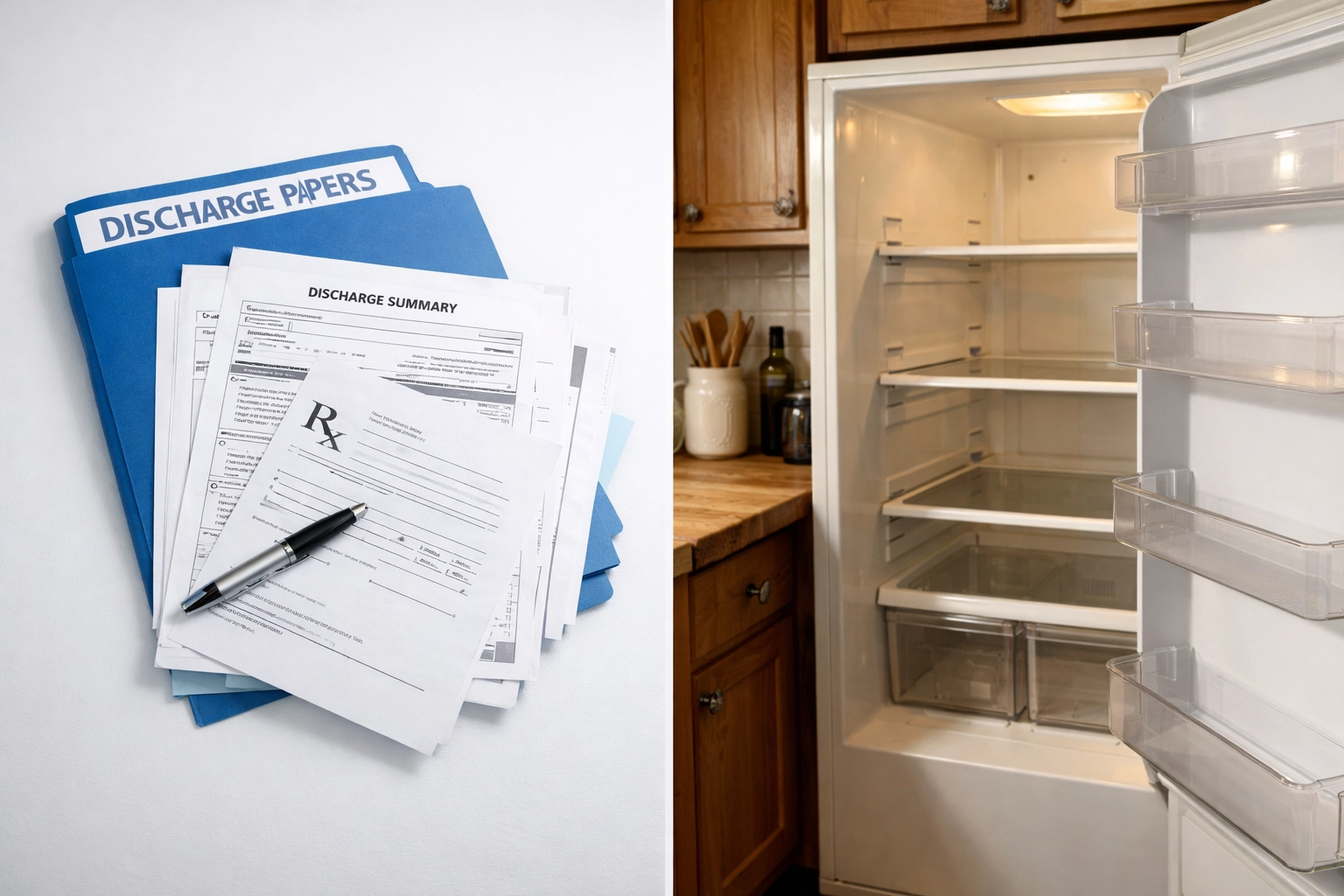
The irony is profound: we invest tremendous resources in clinical treatment, only to watch outcomes deteriorate because basic nutritional needs go unmet at home.
Enter: Hospitality-Based Culinary Services
This is where a different approach changes everything.
What if Post-Discharge Nutrition Support didn't require clinical credentials: but instead drew on the principles of hospitality, personal service, and culinary expertise?
Culinary Care isn't meal delivery. It's not a clinical intervention. It's something more fundamental: the integration of professional in-home culinary support into the continuum of care.
Here's how it works:
A Culinary Associate comes into the home: not to provide medical care, but to provide nutrition through hospitality. They assess the kitchen, understand personal dietary preferences, coordinate with any existing dietary guidelines, and prepare fresh, nourishing meals tailored to the client's specific needs.
But it goes deeper than cooking. They:
Create household nutrition services that fit the client's lifestyle and abilities
Build meals around what the client can and wants to eat
Adapt recipes to accommodate texture modifications, sodium restrictions, or diabetic considerations
Stock the kitchen with grab-and-go options for between visits
Educate family members on simple nutrition support strategies
Document intake and observations for coordination with the broader care team
This is Non-clinical services that complement healthcare: filling the gap where traditional support ends and daily living begins.

The Managed Culinary Platform Difference
What makes this model truly effective isn't just the individual Culinary Associate: it's the infrastructure behind them.
A Managed Culinary Platform coordinates:
Initial consultations to understand dietary needs and household dynamics
Scheduling that aligns with discharge timelines and family availability
Communication channels between families, Culinary Associates, and discharge planners
Quality assurance and consistent service delivery
Flexibility to scale services up or down as recovery progresses
This isn't ad-hoc meal support. It's a structured nutrition support plan that provides continuity during the vulnerable transition period.
For discharge teams, this means one less gap in the care continuum. For families, it means peace of mind knowing that nutrition: the foundation of healing: is handled with the same professionalism as medication management or wound care.
For Discharge Teams: A Partner in Continuity
If you're a case manager, social worker, or hospital discharge planner, you know the challenge: you can arrange every clinical service imaginable, but if the client isn't eating properly at home, outcomes suffer.
Hospitality-based Culinary Care offers:
A non-clinical solution that addresses a clinical problem
Coordination with existing care plans without requiring medical oversight
Reduced readmission risk through improved nutritional intake
Documentation and communication that keeps you informed
Scalable support: from daily visits during acute recovery to weekly maintenance
Think of it as closing the last mile of discharge planning. You've arranged the medical support. We ensure they're actually nourished while that support does its work.
Many discharge teams partner with Culinary Care providers as part of comprehensive transition planning: particularly for clients managing specific dietary considerations, those living alone, or families stretched thin by competing demands.
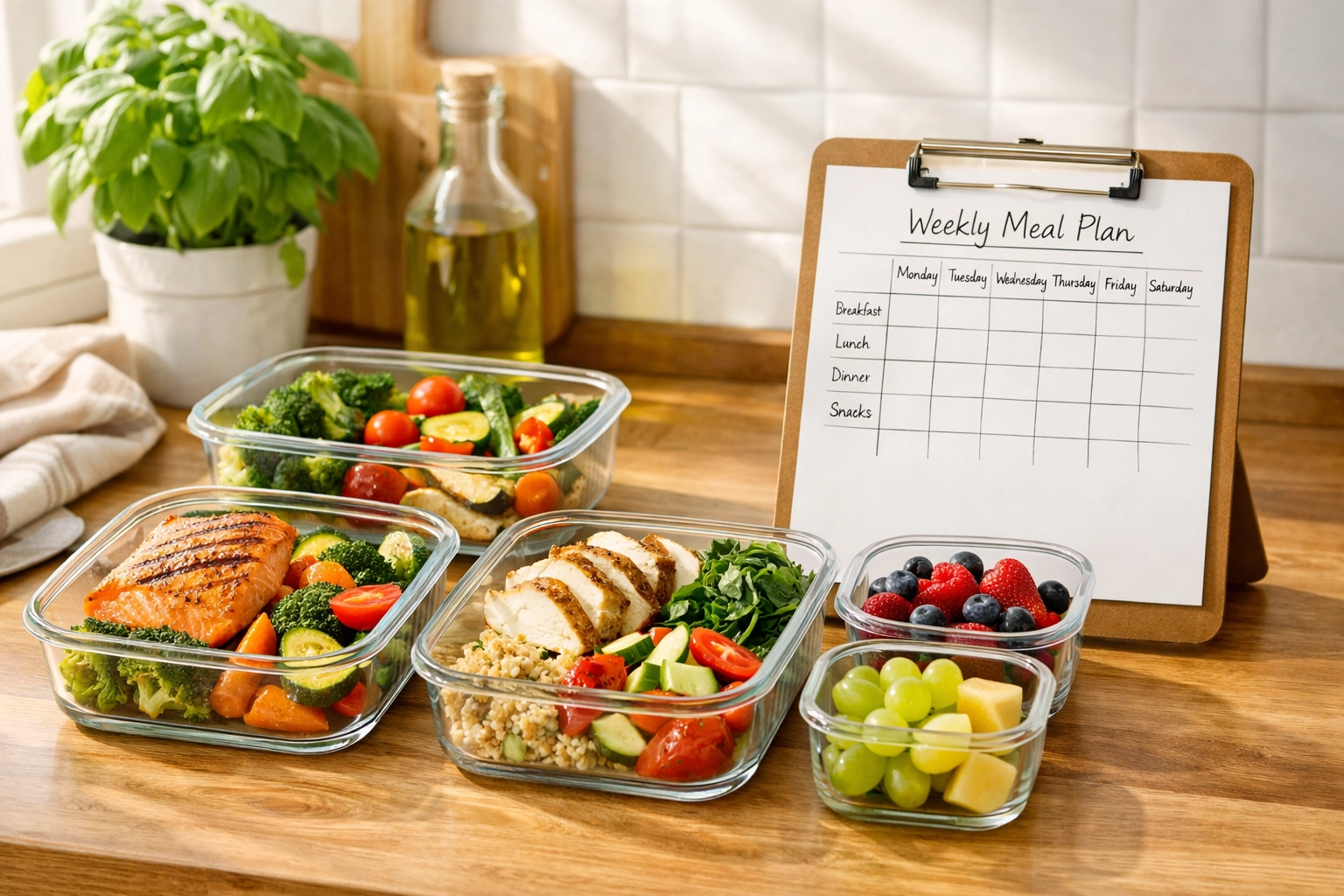
The question isn't whether nutrition matters post-discharge. The question is: who's making sure it actually happens?
For Families: You Shouldn't Have to Do This Alone
If you're bringing a loved one home from the hospital, you're probably feeling some combination of relief, anxiety, and exhaustion. You want to help. You should be helping with emotional support, companionship, and coordination.
But you probably weren't planning to become a full-time cook, dietary manager, and nutrition detective: especially when you're already managing medications, appointments, and your own responsibilities.
Here's what Culinary Care looks like from your perspective:
Your Culinary Associate arrives with groceries and a plan. They understand that your father needs low-sodium meals following his cardiac event. They know your mother struggles with chewing due to recent dental work. They've already coordinated with the dietitian's discharge recommendations.
They don't just cook a meal: they create an experience. Food that tastes good. A kitchen that feels welcoming instead of overwhelming. Meals that honor preferences and culture, not just medical requirements.
And they teach as they go. Simple strategies you can replicate. How to modify recipes. What to keep stocked. When to be concerned about intake.
Between visits, they leave prepared meals and easy-to-grab snacks. Your loved one isn't choosing between hunger and a meal they can't manage to prepare. You're not choosing between your job and cooking three meals a day.
This is Household Nutrition Services designed around real life: not idealized care plans that assume unlimited time, energy, and culinary skill.
The Hospitality Difference
What makes this approach work isn't just the practical support: it's the how.
Culinary Associates bring skills that clinical training doesn't provide:
The ability to make eating feel like comfort, not work
Intuition about when to push gentle encouragement and when to accept small victories
Creativity in working with limited appetites and changing preferences
Understanding that meals are social, emotional, cultural: not just nutritional transactions
This is hospitality meeting healthcare. It's the recognition that healing happens not just through medicine, but through nourishment, dignity, and the simple act of being cared for.
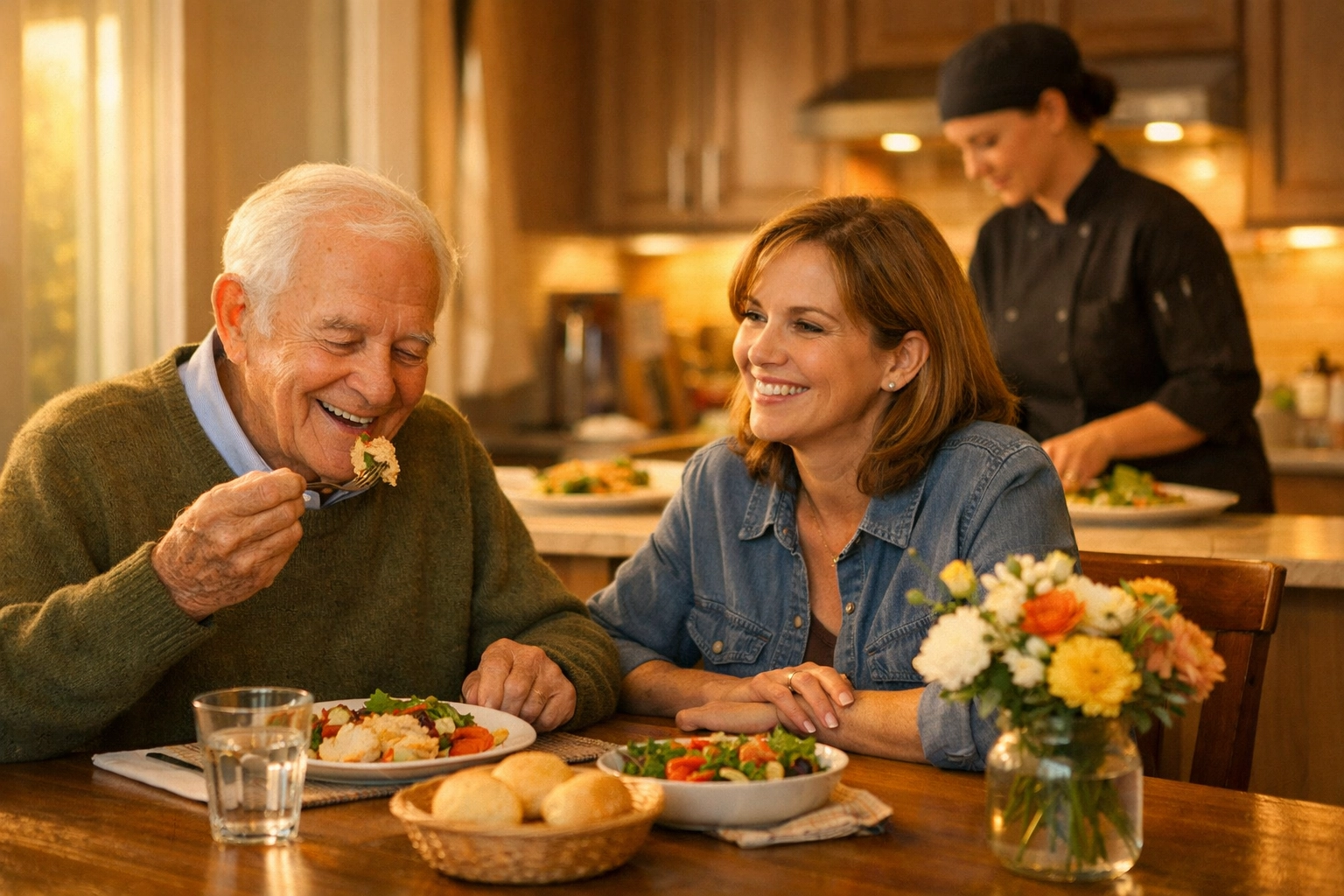
Closing the Gap, One Meal at a Time
The nutrition gap during post-discharge transitions isn't inevitable. It's a systems problem: and systems can change.
When we expand our definition of post-discharge support beyond clinical interventions, we create space for solutions that meet people where they actually live. When we recognize that nutrition IS care, we stop expecting families to shoulder impossible burdens alone. When we build managed platforms that coordinate professional culinary support, we transform outcomes.
For discharge teams: you gain a partner who extends care beyond the clinical threshold.
For families: you gain support that honors both the medical realities and the daily humanity of bringing a loved one home.
For clients: you gain the nourishment your body needs and the dignity of meals that feel like more than just medicine.
The gap exists. But it doesn't have to. Not anymore.
Interested in learning how Culinary Care can support your discharge planning or family caregiving? Visit Chef's Care Company to explore how our Managed Culinary Platform provides Post-Discharge Nutrition Support when and where it matters most.
Comments