The Evolution of Home Support: Why Hospitality is the Missing Piece in Nutrition
- Kenneth Grayer

- Feb 24
- 6 min read
Too many families find themselves caught between two worlds when a loved one needs nutrition support at home. On one side, there's the clinical world: efficient, protocol-driven, medically sound. On the other, there's the home world: personal, comfortable, filled with routines and preferences that matter deeply.
The problem? These two worlds rarely meet with grace.
What's been missing all along isn't more clinical expertise or another meal delivery option. It's hospitality: that intentional blend of care, service, and genuine human connection that makes people feel truly seen and supported in their own homes.
The Gap Between Clinical and Comfortable
Here's what the traditional home support model looks like: A discharge plan gets written. Services get coordinated. Meals get delivered or prepared. Boxes get checked.
But somewhere between the hospital discharge and the home reality, something essential gets lost: the understanding that nutrition support isn't just about what's on the plate. It's about how it's presented, how it makes someone feel, and whether it honors their dignity while meeting their needs.
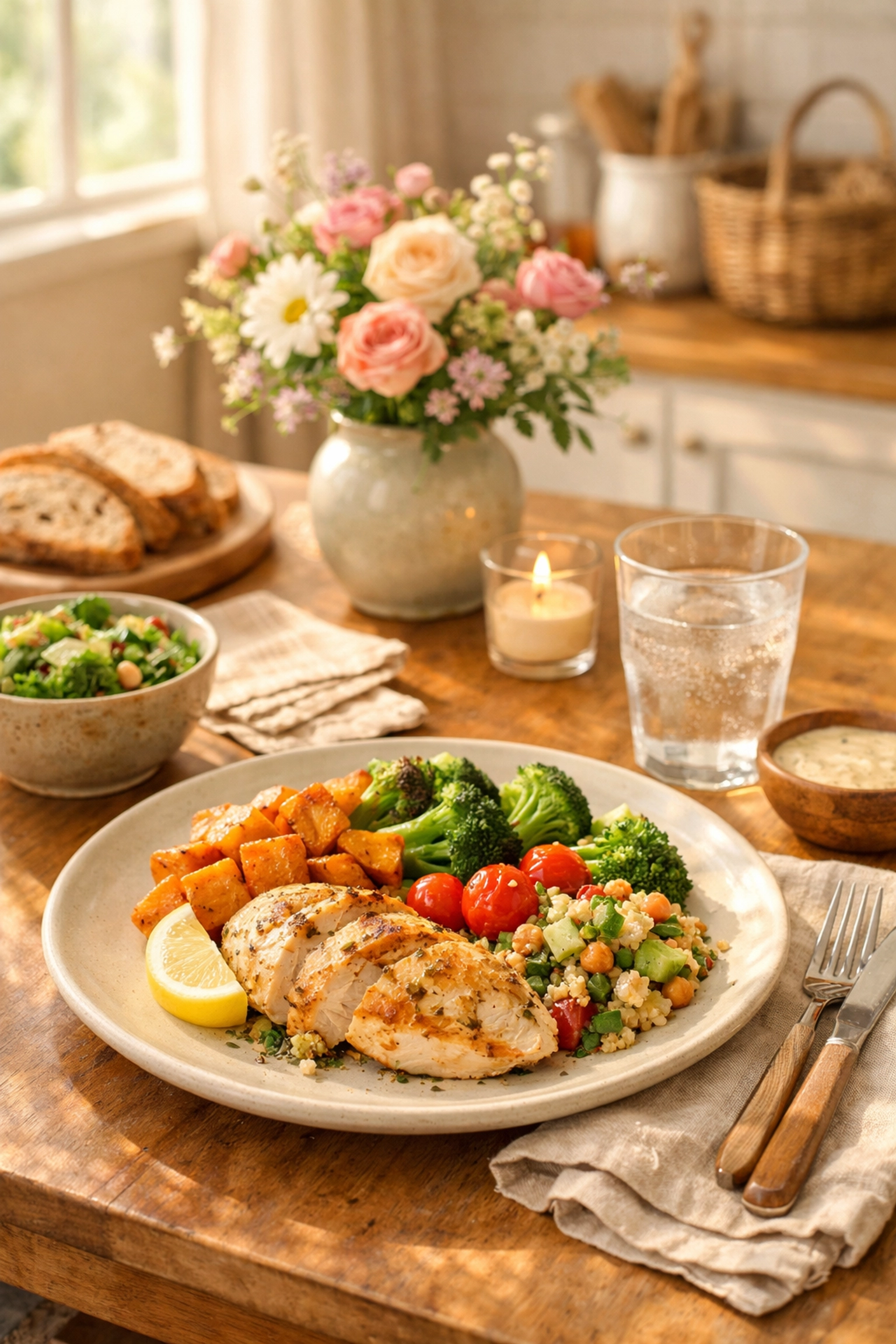
Think about the last time you stayed at a truly exceptional hotel or dined at a restaurant where the service felt effortless. That's hospitality at work: anticipating needs before they're voiced, creating comfort through attention to detail, and making complex logistics feel seamless.
Now ask yourself: Why shouldn't that same standard exist in home nutrition support?
What Hospitality Brings to the Table
When we talk about hospitality-based culinary services, we're describing something fundamentally different from traditional approaches. It's not instead of professional expertise: it's professional expertise delivered with warmth, flexibility, and genuine care for the whole person.
Here's what that looks like in practice:
A Culinary Associate who learns that your mom always had her coffee at 8 AM sharp, and ensures it's ready without being asked
Meal preparation that respects cultural traditions and family recipes, not just dietary requirements
Communication that's clear and considerate, keeping families informed without overwhelming them
Flexibility that adapts to good days and hard days, not rigid schedules that add stress
This is the evolution we're witnessing in home support: from purely functional services to experiences that restore dignity, comfort, and joy around food.
The Missing Link in Household Transitions
The gap becomes most obvious during transitions. Whether someone is moving from a hospital to home, adjusting to new physical limitations, or taking on increasing care needs: these moments are vulnerable.
Traditional models focus on the clinical transition: Are medications sorted? Is equipment ordered? Are appointments scheduled?
Hospitality-based Culinary Care asks different questions:
How do we maintain this person's routines during upheaval?
What foods bring them comfort when everything else feels uncertain?
How can we support family caregivers who are suddenly navigating new responsibilities?
What would make their home feel like their home again, not an extension of institutional care?

These aren't luxury questions. They're fundamental to successful household transitions and long-term wellbeing. When Nutrition Support is delivered with hospitality at its core, clients aren't just fed: they're nourished in body and spirit.
How a Managed Culinary Platform Changes Everything
Technology plays a role here, but not in the way you might think. A Managed Culinary Platform isn't about replacing human connection: it's about enhancing it.
Think of it as the backstage coordination that makes front-stage hospitality possible:
For Families:
Transparent communication about what's happening in their loved one's household
Easy ways to share preferences, concerns, and feedback
Confidence that Nutrition Support continues seamlessly, even when life gets complicated
For Healthcare Partners:
Real-time insight into nutrition patterns and household stability
Better Continuity of Care between discharge and home support
Documentation that supports care coordination without adding burden
For Culinary Associates:
Access to client preferences, dietary needs, and household routines
Tools that let them focus on what matters: the relationship and the food
Support systems that help them deliver consistently exceptional experiences
The platform is the infrastructure. Hospitality is what happens because that infrastructure works invisibly.
Why This Matters for Healthcare Partners
If you're a case manager, discharge planner, or healthcare coordinator reading this, you already know the challenge: Home is where your clients want to be, but it's also where support systems often fall apart.
Hospitality-based Culinary Care changes the equation by addressing what traditional home support misses:
Reliability meets flexibility. Clients get consistent, professional Nutrition Support that also adapts to their changing needs and preferences.
Professional expertise without institutional feel. Culinary Associates bring real skill to meal preparation and nutrition support, but they work within the client's home environment, not against it.
Family caregiver relief. When someone else handles meal planning, shopping, preparation, and cleanup with genuine care, family members can focus on being family: not becoming burned-out care coordinators.
Better outcomes through better experiences. When clients actually enjoy their meals and feel respected in their own homes, compliance isn't a battle. Nutrition Support becomes something they look forward to, not something they tolerate.

This is Continuity of Care that actually continues the quality of care, not just the fact of it.
From Service to Experience
Here's the fundamental shift: Traditional home support treats food preparation as a task to complete. Hospitality-based Culinary Care treats it as an experience to create.
What does that mean practically?
A task-focused approach says: "The meal is prepared according to the diet plan."
An experience-focused approach says: "The meal is prepared according to the diet plan and beautifully plated, served at the temperature and time you prefer, with your favorite music playing in the background, because those details matter to how you feel about eating."
One checks a box. The other honors a person.
Pro Tip: When evaluating home support options, ask about training. Are providers trained in food preparation skills and hospitality principles? Do they understand both nutritional needs and the importance of presentation, timing, and personalization?
What Families Are Really Buying
When families choose hospitality-based culinary services, they're not just purchasing meal preparation. They're investing in:
Peace of mind : knowing their loved one has professional Nutrition Support that feels personal, not institutional
Preserved dignity : ensuring Mom or Dad maintain autonomy and comfort in their own home
Quality relationships : freeing up family time for connection, not just caregiving tasks
Sustainable solutions : finding support that works long-term, not just in crisis moments
This is why the hospitality piece isn't a luxury add-on. It's what makes home support actually supportable over time.

The Future of Home Nutrition Support
We're at an inflection point. The aging population is growing. The preference for aging in place is clear. The demand for alternatives to institutional care is rising.
But the infrastructure hasn't kept pace with what people actually need: not just clinical competence, but human-centered service delivery.
Hospitality-based Culinary Care represents that evolution. It's the recognition that home support must work with how people want to live, not force them into rigid systems designed for efficiency over experience.
It's also the acknowledgment that Culinary Associates aren't just service providers: they're partners in maintaining household stability, supporting nutrition goals, and preserving the dignity and joy that make home feel like home.
Making the Shift
If you're considering this approach for your family or the families you serve professionally, here's what to look for:
Ask about philosophy, not just services. Do they talk about "clients" or "patients"? Do they describe "experiences" or just "tasks"? Language reveals values.
Look for integration, not silos. Can they coordinate with healthcare providers while also respecting household routines? Great Culinary Care bridges both worlds.
Evaluate the people, not just the platform. Technology enables good service, but Culinary Associates deliver it. What's their training? What's their approach to building relationships?
Understand flexibility. Life at home is dynamic. Can support adjust to good days and hard days, changing preferences, and evolving needs?
The right approach feels less like hiring a service and more like welcoming a trusted partner into your household.
Hospitality isn't the missing piece because it's fancy or indulgent. It's the missing piece because it's human: and Nutrition Support delivered without humanity misses the point entirely.
We're not just evolving how home support gets delivered. We're remembering what it should have been all along: care that nourishes the whole person, honors the home as sacred space, and brings professional excellence and genuine warmth to the table.
One household at a time. One meal at a time. One moment of dignity and comfort at a time.
That's the future of home support. And hospitality is finally taking its rightful place at the center.
Comments