The Science of Recovery: An Educational Guide to In-Home Nutrition Support
- Kenneth Grayer

- Feb 26
- 4 min read
The transition from a clinical setting back to the comfort of home is a significant milestone for any individual. However, for many seniors in the Evanston and Greater Chicago Area, the first few days back home are often characterized by exhaustion, diminished appetite, and the daunting task of managing daily nourishment while the body is in a heightened state of repair.
This period, often referred to as the 72-hour post-discharge window, is a critical juncture where the risk of hospital readmission is at its peak. While clinical teams focus on wound care and medication management, the foundational pillar of healing: nutrition: can often fall through the cracks. At Chef’s Care Company, we provide in-home nutrition support that bridges the gap between hospital discharge and long-term wellness, ensuring that the "Nutrition support during recovery transition" is handled with professional precision and hospitality-based care.
The Physiological Demands of Healing
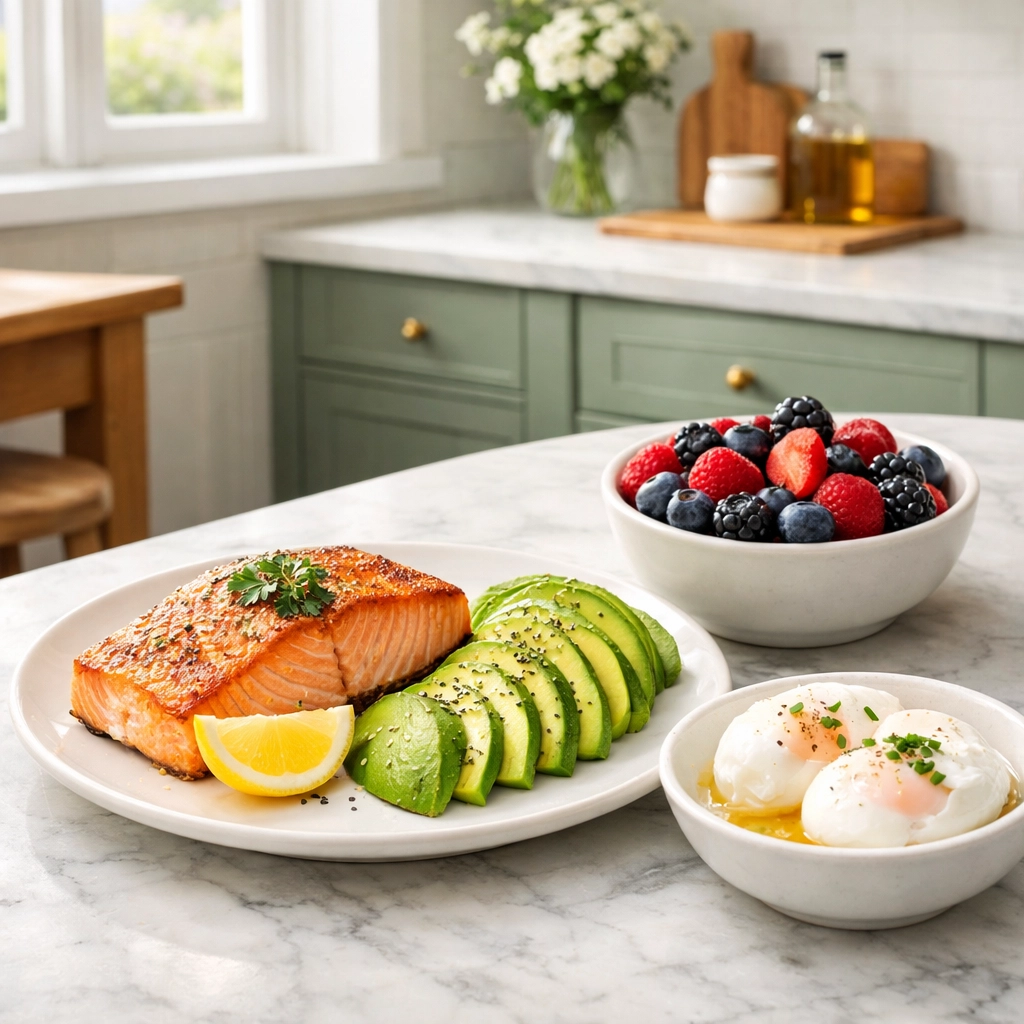
Healing is not a passive process; it is an energy-intensive biological function. When a Client returns home after surgery or a significant illness, their body enters a hyper-metabolic state. To rebuild muscle tissue, strengthen the immune system, and facilitate cellular repair, the body requires a significantly higher intake of calories, protein, vitamins, and minerals than it does during periods of health.
Research indicates that protein is the cornerstone of this process. It provides the amino acids necessary for tissue repair and immune function. Without adequate protein intake, the body may begin to break down its own muscle mass to fuel the healing process, leading to weakness, increased fall risks, and a slower "Nutrition support during recovery transition."
For independent seniors in Evanston, maintaining this high level of nutritional intake is often physically impossible without assistance. Fatigue, a common side effect of medical procedures, makes grocery shopping and meal preparation insurmountable tasks. This is where post hospital meal support becomes a clinical necessity rather than a luxury.
Mitigating Readmission Risk Through Culinary Care
Hospital readmissions are often linked to what clinicians call "Post-Hospital Syndrome": a period of generalized vulnerability. Malnutrition is a primary driver of this syndrome. When a Client does not receive adequate in-home nutrition support, they face a higher probability of infections, falls, and complications that necessitate a return to the hospital.
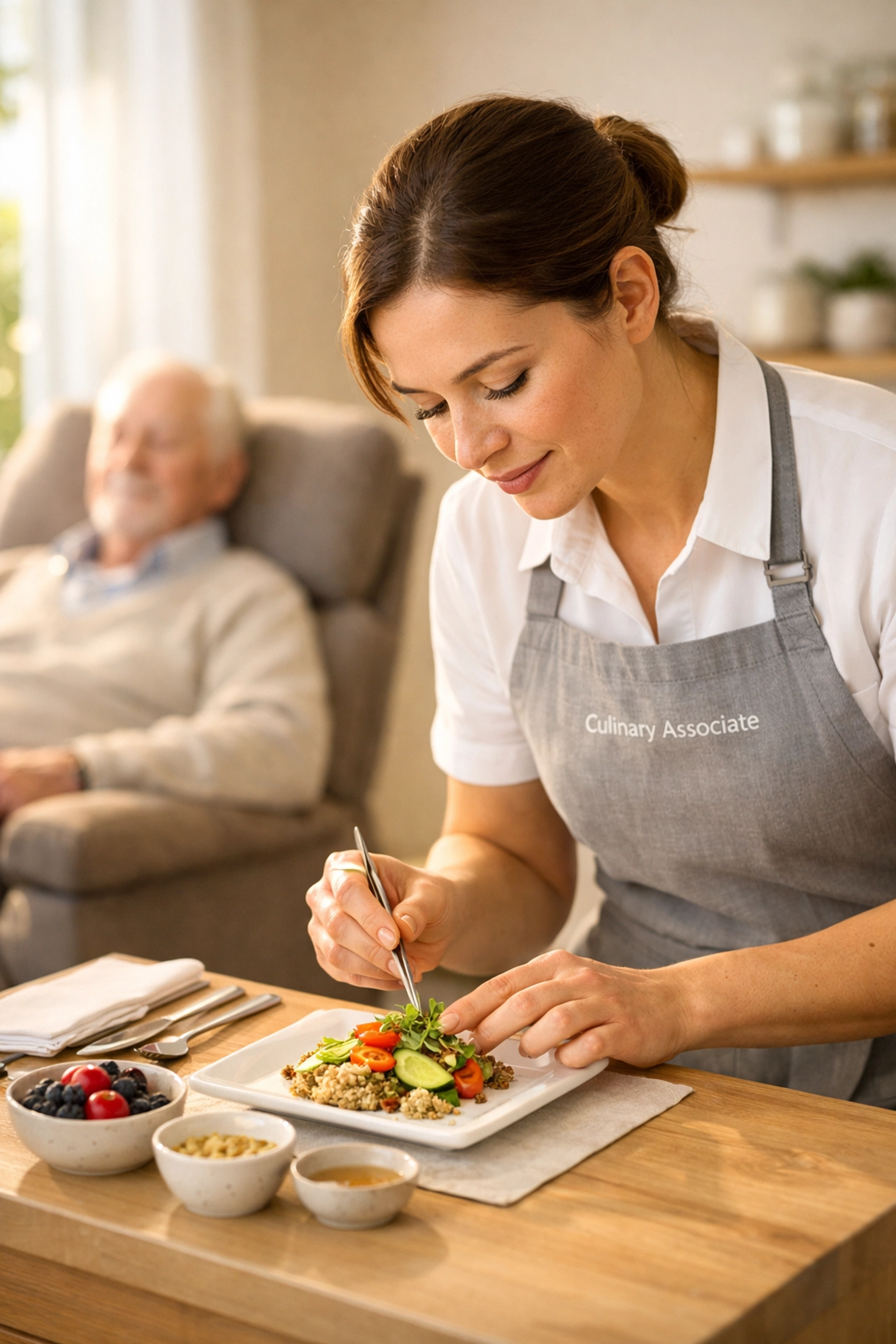
Chef’s Care Company works as a strategic partner to non-clinical services that complement healthcare. By placing a Culinary Associate directly in the home, we mitigate these risks in real-time. Unlike standard meal delivery services that leave frozen boxes on a doorstep, our Culinary Associates manage the entire sensory and nutritional experience. They ensure that the Client is not just receiving food, but is actually consuming the nutrients required for their structured nutrition support plan.
The Advantage of Hospitality-Based Culinary Services
The presence of a Culinary Associate in the home provides more than just a meal; it provides observation and stabilization. In the Evanston community, where many seniors value their independence, our approach focuses on "Supportive Structured" care. We help individuals managing specific dietary considerations by:
Monitoring fluid intake to prevent dehydration.
Adjusting food textures for those with temporary swallowing difficulties.
Ensuring the kitchen remains a safe, clean environment.
Relieving family caregivers of the "nutritional burden," allowing them to focus on emotional support and companionship.
For a deeper look at how this support functions in complex cases, read our case study on nutrition support for older adults with limited mobility.
Overcoming Barriers to Post-Hospital Nutrition
Even with the best intentions, several barriers often prevent a successful "Nutrition support during recovery transition":
Taste Alterations: Medications and clinical procedures can temporarily change a Client's sense of taste or smell. A Culinary Associate can pivot in real-time, adjusting seasonings and preparation styles to make food palatable.
Early Satiety: Clients often feel full after just a few bites. We implement a strategy of "small, frequent, nutrient-dense meals" throughout the day to ensure total daily requirements are met without overwhelming the Client.
Cognitive Fatigue: Following a complex structured nutrition support plan can be mentally taxing. Our Associates take the guesswork out of the equation, coordinating boutique grocery needs and on-site preparation seamlessly.
A Collaborative Approach for Case Managers and Healthcare Partners
For Social Workers and Case Managers in the Greater Chicago Area, the goal is always a safe and sustainable discharge. Chef’s Care Company acts as your "eyes and ears" in the kitchen. We understand that your clinical care plan is only as effective as the Client’s ability to follow it at home.
Our Culinary Care is designed to integrate with your existing workflows. We provide a premium, dignified bridge that ensures the hard work done in the hospital isn't undone by a lack of support at home. By referring Clients to our specialized case manager support services, you are adding a layer of protection against the most common causes of readmission.
We invite healthcare professionals to learn more about our process by visiting our referral page for case managers.
The Chef’s Care Difference: Beyond Meal Delivery
It is a common misconception that "meal delivery" is a substitute for in-home nutrition support. While delivery services provide convenience, they lack the high-touch, personalized care that a recovering body requires.
A standard box of meals cannot:
Assess a Client's energy levels during a meal.
Adapt a recipe instantly based on a Client's daily symptoms.
Provide the social engagement that is scientifically proven to improve appetite in seniors.
Manage the "Discreet Premium Concierge" experience that maintains a Client's dignity in their own home.
To understand why this distinction is vital for long-term health, explore our article on the future of meal care.
Staying Strong and Independent in Evanston
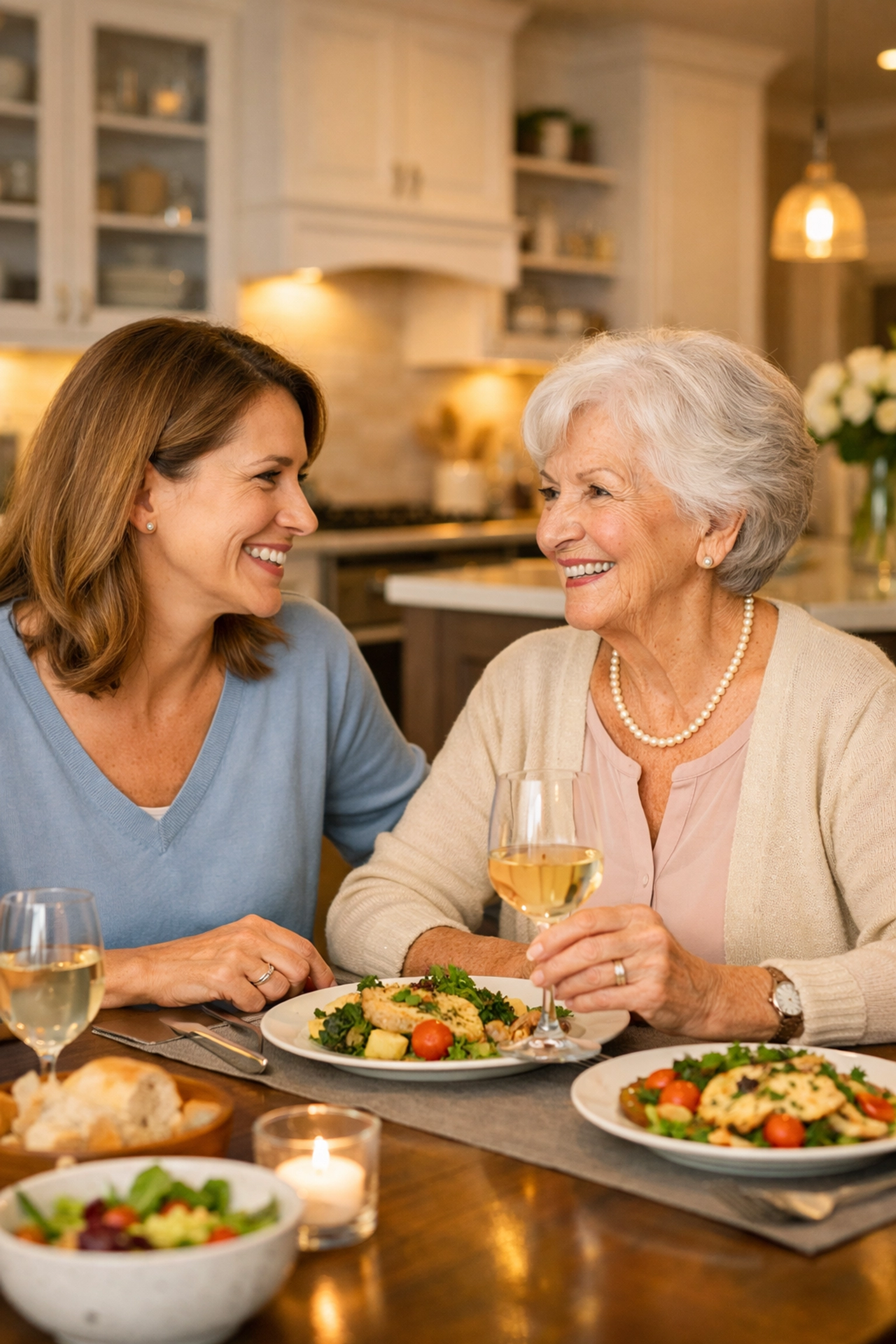
At Chef’s Care Company, we believe that nutrition is the fuel for independence. For the seniors of Evanston and the surrounding North Shore, our goal is to ensure you stay in your home, on your terms, with the strength to enjoy your life.
Whether you are planning an upcoming surgery or are a professional looking to support a Client’s transition home, the science is clear: proactive, professional in-home nutrition support is the key to a successful "Nutrition support during recovery transition."
Ready to coordinate care?
For Families:Start your meal care request today to ensure a safe transition for your loved one.
For Professionals:Book a consultation to learn how our Culinary Associates can support your clinical goals.
Let us help you bridge the gap between hospital and home with the science of nutrition and the heart of hospitality.
#AgingAtHome #IndependentLiving #SeniorWellness #HealthyAging #AgeGracefully #RecoveryAtHome #NutritionForRecovery #PostSurgerySupport #HealingWithNutrition #HomeCareNutrition #LibertyvilleIllinois #Winnetka #HighlandPark #Evanston #LakeForest #Wilmette #Glencoe #Kenilworth #Northbrook #ChicagoArea #NorthShore
Comments